Mastering Presentation Templates Design
Understanding Presentation Templates Design
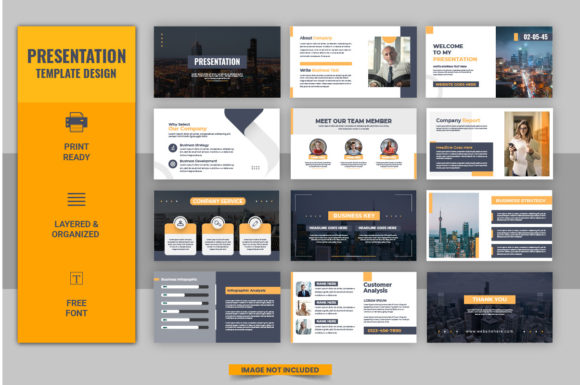
Presentation Templates Design is the art and science of creating visually appealing, structured, and effective templates for presentations. These templates serve as a foundation, providing a consistent look and feel while allowing users to focus on content rather than design.
Why Different Audiences Care About It
The importance of Presentation Templates Design varies based on the user's role and objectives. For instance, professionals and business owners may prioritize high-quality, professional designs that align with their brand, while educators and hobbyists might value ease of use and creativity.
For Beginners: Ease of Use and Creativity
Beginners often seek templates that are easy to use and customize. A well-designed template can help them create professional-looking presentations without extensive design knowledge. For example, a beginner might choose a template with clear instructions and simple, intuitive layouts.
For Experienced Users: Flexibility and Customization
Experienced users, such as designers and marketers, may require more flexibility and customization options. They need templates that allow them to tweak every detail, from color schemes to font styles, to match specific project requirements. A template with advanced features and editable elements would be ideal for this group.
For Professionals: Quality and Brand Alignment
Professionals, including executives and consultants, often need templates that reflect their brand's identity and maintain a high level of quality. A professionally designed template with a clean, modern aesthetic and customizable branding elements can help them make a strong impression in client meetings and boardroom presentations.
For Educators: Clarity and Engagement
Educators, whether in traditional classrooms or online, benefit from templates that enhance clarity and engagement. A template with clear, readable fonts, ample space for text, and interactive elements can help them deliver information effectively and keep students engaged.
For Business Owners: Commercial Value and Reliability
Business owners, especially those running small businesses, may prioritize templates that offer good commercial value and reliability. A cost-effective, high-quality template that can be used across various business presentations, from sales pitches to annual reports, can be a valuable asset.
Practical Examples and Priorities
Let's explore some practical examples and priorities for different types of users:
- Beginners: Look for templates with step-by-step guides and pre-set layouts. For instance, a template with a fixed color scheme and predefined sections can help beginners create a polished presentation quickly.
- Experienced Users: Seek templates that offer a wide range of customization options. A template with multiple layout variations, editable vector graphics, and adjustable color palettes can provide the flexibility needed for complex projects.
- Professionals: Choose templates that align with your brand's visual identity. A template with a minimalist design, high-resolution images, and a professional color palette can help you maintain a consistent and polished look.
- Educators: Opt for templates that are visually engaging and easy to read. A template with large, legible fonts, interactive elements like quizzes, and ample space for multimedia content can help you create an engaging learning experience.
- Business Owners: Consider templates that offer good value and versatility. A template that can be used for various business purposes, from product launches to financial reports, and includes customizable branding elements can be a smart investment.
Identifying the Right Template for Your Needs
To determine if a Presentation Templates Design meets your goals, consider the following factors:
- Objective: What is the primary purpose of your presentation? Whether it's to inform, persuade, or entertain, the template should support your objective.
- Audience: Who is your target audience? The template should be tailored to their preferences and expectations. For example, a formal, professional template for a business audience versus a creative, colorful template for a younger, more casual audience.
- Skill Level: Assess your design skills. If you're a beginner, opt for a template with clear instructions and minimal customization. If you're experienced, choose a template with advanced features and customization options.
- Budget: Determine your budget. While free templates are available, premium templates often offer higher quality, more features, and better support.
- Brand Identity: Ensure the template aligns with your brand's visual identity. This is particularly important for professionals and business owners who need to maintain a consistent brand image.
Conclusion
Whether you're a beginner, an experienced user, a professional, an educator, or a business owner, Presentation Templates Design can significantly enhance your presentations. By choosing a template that matches your skill level, objectives, and audience, you can create impactful and professional-looking presentations that achieve your goals.