Understanding WC Icons: A Comprehensive Guide
What is a WC Icon?
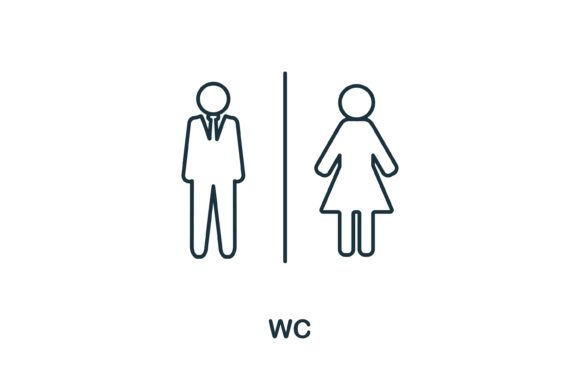
A WC icon, also known as a washroom icon or toilet sign, is a universally recognized symbol used to indicate the location of restrooms in public and private spaces. These icons are essential for providing clear and accessible information, especially in places where multiple languages are spoken.
The Significance of WC Icons
WC icons play a crucial role in modern life, particularly in public settings such as restaurants, airports, shopping malls, and office buildings. They help visitors quickly locate facilities, ensuring a smooth and comfortable experience. The use of standardized symbols like the WC icon is a key aspect of universal design, making environments more inclusive and user-friendly.
Purpose and Practical Relevance
The primary purpose of a WC icon is to guide people to the restroom facilities. This is especially important in:
- Public Spaces: Airports, train stations, and other high-traffic areas where quick identification is necessary.
- Businesses: Restaurants, cafes, and retail stores where customer comfort is a priority.
- Institutions: Schools, hospitals, and government buildings where accessibility is critical.
Types of WC Icons
WC icons come in various styles, but the most common ones include:
- Line Icons: Simple, minimalist designs that are easy to recognize and use in infographics and web design.
- Filled Icons: Solid shapes that provide a more traditional and formal appearance.
- Illustrative Icons: Detailed, stylized representations that can add a touch of creativity and personality.
WC Icon from Restaurant Collection
One popular variant is the wc icon from restaurant collection. This type of icon is specifically designed for use in the hospitality industry, where clear and visually appealing signage is essential. These icons often feature a clean, modern aesthetic that complements the overall design of the establishment.
File Formats and Usage
When you acquire a WC icon, you typically receive it in several file formats, each with its own advantages:
- EPS (Encapsulated PostScript): Ideal for vector graphics, allowing for scalable and high-quality prints.
- JPG (JPEG): Suitable for web and digital use, providing a good balance between quality and file size.
- AI (Adobe Illustrator): Perfect for editing and customizing the icon using professional design software.
- SVG (Scalable Vector Graphics): Highly versatile for both web and print, offering scalability without loss of quality.
Ease of Use and Editing
These file formats make it easy to edit and use the WC icon in a variety of applications. Whether you need to resize the icon for a large sign or integrate it into a website, the provided files offer flexibility and convenience. For example, using an SVG file, you can easily change the color and size of the icon to match your brand's style.
Common Misunderstandings and Clarifications
While WC icons are widely recognized, there are some common misunderstandings:
- Misidentification: Some people confuse the WC icon with other symbols, such as the wheelchair icon, which is used to indicate accessibility. It's important to use the correct symbol to avoid confusion.
- International Variations: In some countries, the term "WC" (short for Water Closet) is less common, and other terms like "toilet" or "restroom" are preferred. However, the icon itself remains universally recognizable.
Integrating WC Icons into Modern Design
WC icons are not just functional; they can also be a part of a cohesive design strategy. Here are some ways to integrate them effectively:
- Infographics: Use line icons to create visually engaging and informative infographics for public spaces.
- Web Design: Incorporate WC icons into website designs to enhance user experience, especially for sites related to travel and hospitality.
- Branding: Customize the icon to align with your brand's visual identity, making it a seamless part of your overall design.
Conclusion
WC icons are a fundamental element in modern signage and design, providing clear and accessible information to users. By understanding their purpose, significance, and practical applications, you can effectively use these icons to enhance the functionality and aesthetics of your space. Whether you're designing for a restaurant, a public building, or a digital platform, the right WC icon can make a significant difference in user experience.